Getting the most from a travel card starts with understanding the JetBlue Mastercard application perks, eligibility rules, and real-world costs.
This guide breaks down rewards, fees, and travel benefits in plain language so you can make an informed decision. You will see how the card’s features translate into everyday value.
You will also learn the steps to apply smoothly and where to get fast support. Finally, you will find accurate corporate details.
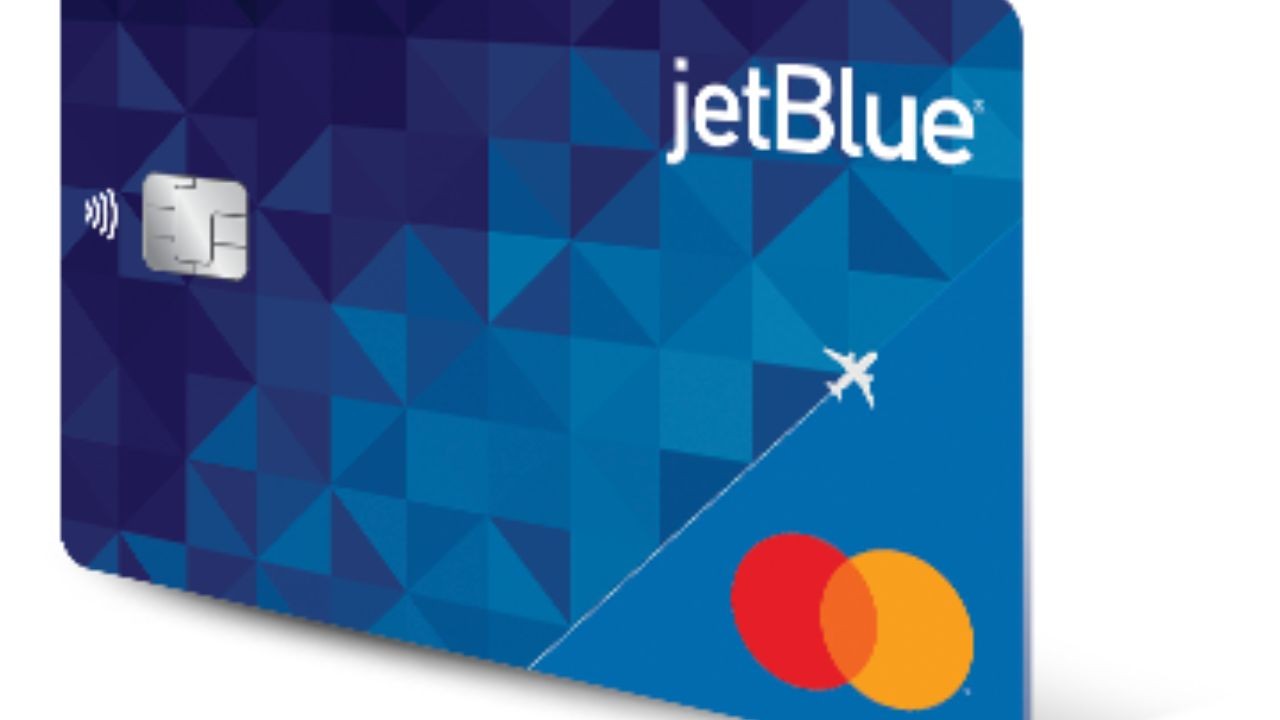
JetBlue Mastercard Overview and Key Features
A clear snapshot of the product helps you decide quickly. This section explains the card family, rewards structure, and built-in travel value.
It also outlines fees, rates, and foreign spending policies that affect total cost. You will see where the card shines and where it is simply good. Everything here reflects the issuer’s current public materials and airline benefits.
Rewards Structure and Earning Rates
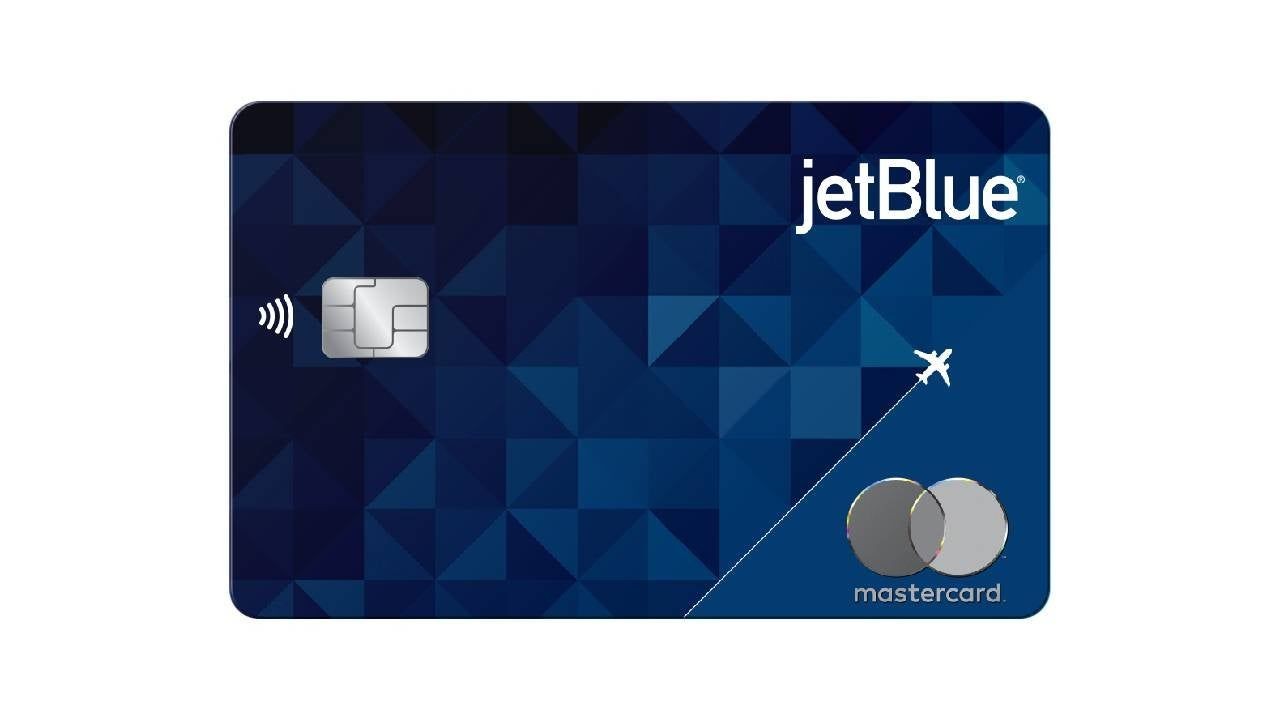
The JetBlue portfolio centers on earning TrueBlue points on categories travelers use often. Typical earn rates include accelerated points on JetBlue purchases, elevated earnings at restaurants and grocery stores, and a base rate on other spending.
These multipliers are designed to help you redeem flights faster. They also integrate with the TrueBlue program features that reward frequent customers. Always confirm current earn rates before applying.
Fees, APRs, and Foreign Transactions
Variable APRs apply based on creditworthiness, and they can shift with market rates. The no-annual-fee option aims to keep ongoing costs low, while select versions layer added travel benefits with a separate annual fee.
Foreign transaction fees are a key factor for international travelers and may be waived on certain cards. Review the latest Schumer Box terms during the application stage. Official issuer pages provide updates.
Travel Protections and In-Flight Discounts
The lineup routinely highlights travel-centric value like savings on in-flight purchases and perks tied to JetBlue flights.
These benefits make everyday trips more affordable and support loyalty earnings on paid fares. When combined with the airline’s dynamic redemption program, points can reduce out-of-pocket costs.
Read each card’s benefit guide after approval to activate, register, or learn redemption rules. Airline pages show current baggage and onboard savings details.
Card Variants: JetBlue Card vs. JetBlue Plus Card
JetBlue typically offers a no-annual-fee version built for broad appeal and a Plus option designed for frequent flyers. The Plus version usually elevates flight earnings and layers in checked-bag value, while the base card keeps costs down.
Decide which model aligns with your travel frequency and redemption goals. If you check bags often, the Plus card’s embedded benefit can offset fees quickly. Confirm details on the official comparison page.
JetBlue Mastercard Application Perks Explained
Understanding marquee benefits helps you capture immediate value. This section highlights welcome offers, status accelerators, and onboard savings that matter most.
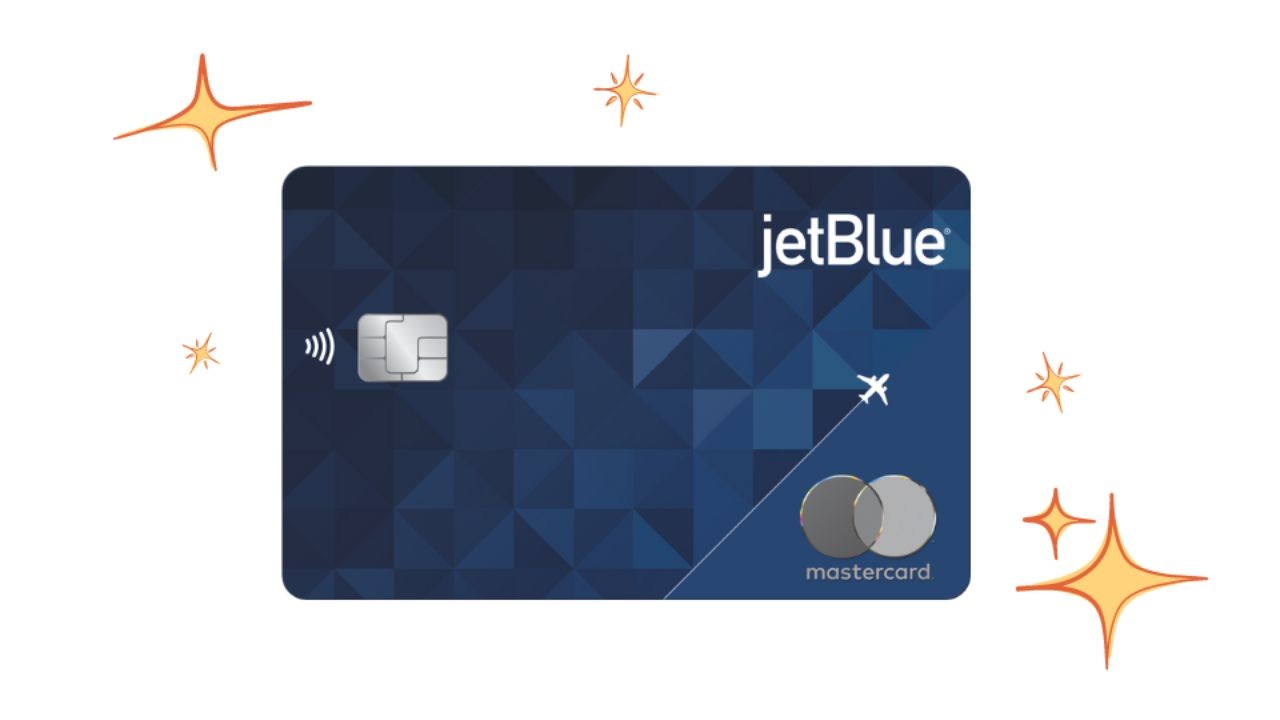
You will learn how these perks appear after approval and how to time applications. You will also see why bag and boarding privileges influence total trip cost. Finally, you will understand point-earning synergies across the ecosystem.
Welcome Offers and Status Tiles
New-cardmember bonuses can deliver a large TrueBlue points boost after meeting a minimum spend in a set time frame.
Some offers also award “tiles,” which count toward Mosaic status that unlocks elevated travel treatment. Track offer windows, because they change and may include limited-time promotions.
Apply only when you can comfortably meet your spending. Redeem your bonus strategically on higher-value routes to stretch savings further.
Free Checked Bag and Earlier Boarding
The Plus variant’s first checked bag benefit for the primary cardmember and companions on the same reservation provides meaningful savings on round-trip itineraries.
Earlier boarding can help with overhead bin space and a calmer boarding experience. If you travel with family, the combined effect can outweigh an annual fee quickly. Verify the eligible fare types and reservation name matching rules before relying on the benefit.
No Foreign Transaction Fees and Partner Benefits
Many travelers look for cards that eliminate foreign transaction fees, and the JetBlue lineup addresses that requirement on select variants.
This policy keeps international purchases from accumulating extra charges abroad. Combined with airline and partner accruals, you can keep earning efficiently while traveling.
Always check your specific card’s pricing disclosures before international trips to avoid surprises. Issuer pages list final fee structures.
Eligibility, Requirements, and How to Apply
A successful application starts with clear preparation. This section shows what the bank typically evaluates and what to gather in advance.

You will learn the online application flow and how decisions are communicated. You will also see how to handle verifications that occasionally appear. Following these steps improves speed, accuracy, and early account setup.
Credit Criteria and Documentation
Issuers generally assess credit profile, income stability, and ability to manage new credit. Be ready with your Social Security number, annual income, housing status, and contact information.
If you freeze credit files, temporarily lift freezes before applying. Ensure your address matches your documents to avoid manual reviews. Keep recent pay stubs or bank statements available in case the bank requests proof of income.
Online Application Steps
Start on the official JetBlue credit cards page and choose the version that matches your travel pattern.
Complete the secure form carefully, review the pricing terms, and submit. Some applicants receive an immediate decision, while others may see a pending status that resolves after underwriting.
If approved, create your online account with the issuing bank the same day to monitor your new credit line.
Approval Timelines and Account Setup
Instant approvals can allow digital wallet provisioning to occur quickly after identity checks. If the decision is pending, you may be contacted for additional verification, which is normal and not a red flag.
When your physical card arrives, activate it, enroll for e-statements, and set alerts for due dates and transactions. Enabling two-factor authentication and adding trusted devices helps secure your account from day one.
Costs, Interest, and Responsible Use
Managing a travel card well means understanding how interest and fees really work. This section breaks down APR ranges, grace periods, and ways to minimize charges.

You will learn habits that preserve the value of rewards over time. You will also see how to use statements and alerts as guardrails. Good discipline turns a solid travel card into a long-term asset.
Variable APR Ranges and How They Work
Your purchase APR is variable and moves with the Prime Rate plus a margin set by credit tier. Balance transfers and cash advances often carry different rates and start charging interest immediately.
Carefully review each transaction category in your cardholder agreement. If rates reset higher, pay balances faster to reduce interest cost. Avoid cash advances entirely because fees and interest begin right away.
Avoiding Interest and Maximizing Grace Periods
To avoid interest, pay your statement balance in full by the due date every cycle. Use autopay to eliminate missed payments, and pick “statement balance” rather than “minimum due” for best results.
The grace period only applies when you start a cycle with no carried balance. Tracking spend weekly keeps everything predictable. Rewards are not worth it if interest cancels them out.
Managing Fees and Building Credit
Read your pricing disclosures so you understand any annual fee, late fee, and balance transfer fee that may apply. Set due-date reminders and create a small mid-cycle payment to keep utilization low.
Over time, consistent on-time payments and modest utilization can help improve your credit profile. That can unlock higher limits and better welcome offers later. Responsible use compounds value with fewer costs.
Support and Corporate Details
For JetBlue co-branded cards issued in the United States, Barclays US provides customer support by phone.

The main credit card customer support line is available at 877-523-0478, as shown on their help and home pages. If your card is lost, stolen, or blocked, call immediately for assistance.
For airline-specific travel questions, contact JetBlue directly through its official channels. Document reference numbers for any case.
Bank and Airline Headquarters
JetBlue’s principal executive offices are located at 27-01 Queens Plaza North, Long Island City, New York 11101. That address also appears in investor materials and corporate disclosures.
Use it for formal written correspondence tied to corporate matters rather than routine customer support. The card issuer’s servicing is handled by Barclays US, which operates separately from the airline’s headquarters and investor relations team.
Conclusion
The JetBlue Mastercard family offers practical value for travelers who regularly fly the airline and want streamlined TrueBlue earning. Application perks, onboard savings, and bag benefits can offset costs quickly when used well.
If you mainly want low friction and simple rewards, the no-annual-fee version fits. If you prioritize bag savings and faster earnings, the Plus option is compelling. Compare current offers on the official pages before applying.
Note: There are risks involved when applying for and using credit. Consult the bank’s terms and conditions page for more information.