
If you want a reliable roadmap into last-mile logistics, start with a clear guide to pay and requirements for working in Amazon delivery driver roles.
This mainstream overview explains responsibilities, compensation factors, eligibility, and application steps. You will learn what managers evaluate, how routes actually run, and which benefits matter.
Use it to decide your path, prepare documents, and present your experience credibly. Strong preparation improves screening outcomes and accelerates hiring decisions.

Amazon Delivery Driver Role and Core Responsibilities
Understanding expectations helps you decide if the pace and routines fit. Amazon delivery work blends route execution, customer interaction, and safety discipline.
You will navigate dynamic neighborhoods, verify addresses, and handle packages precisely.

Reliability, communication, and problem-solving are essential throughout every shift. The sections below outline daily operations, guest experience, and vehicle care responsibilities.
Daily Route Operations
Drivers begin by checking in, inspecting the vehicle, and loading by sequence for efficient flow. Scanning confirms the chain of custody while the route app optimizes stops.
You follow navigation, watch for access notes, and adapt to traffic conditions. Accurate placement and photo confirmation reduce the need for later support contacts. Smart staging inside the van saves minutes per block and compounds across the day.
Customer Experience and Problem Solving
Every stop is an opportunity to protect trust through careful handling and clarity. You confirm safe locations, respect delivery preferences, and document exceptions thoroughly.
When gates, codes, or weather complicate access, you escalate quickly using protocols. Polite, concise communication lowers friction and prevents repeated contacts. Resolving small issues early keeps routes on time and customers satisfied.
Vehicle Care and Compliance
Pre-trip and post-trip inspections catch tire, light, and fluid concerns before they escalate. You secure cargo, avoid overloading shelves, and maintain clear sight lines. Adhering to posted limits and parking rules prevents citations and delays.
Clean cabins, organized bays, and charged devices sustain performance. Consistent compliance habits protect safety, uptime, and on-time metrics across the week.
Pay and Job Requirements for Amazon Delivery Drivers
Compensation varies by path, market, and schedule, so understand the levers. Rates reflect demand, seasonality, route complexity, and shift availability.

Requirements focus on licensing, background screening, physical capability, and dependable communication.
Meeting these standards helps you move from applicant to scheduled orientation. The sections below explain pay drivers, eligibility checks, and shift expectations.
Base Pay and Overtime Factors
Earnings are shaped by local market conditions, route density, and shift timing. Evening, weekend, and peak season windows often raise opportunity for added hours.
Performance against safety and delivery metrics can influence future scheduling. Reliability and flexibility help secure desirable blocks when demand spikes. Understanding these variables lets you plan income and balance time thoughtfully.
Minimum Qualifications and Screening
Candidates typically need a valid license, a clean driving record, and work authorization. Background checks confirm identity, safety history, and eligibility to handle deliveries.
Clear communication skills enable you to follow protocols and resolve exceptions. Reading delivery notes accurately reduces risk and customer escalations. Prepare documents early to prevent delays as recruiters coordinate confirmations.
Physical and Scheduling Expectations
The job requires lifting, carrying, and climbing stairs safely throughout shifting conditions. You will handle varied package weights, so proper form prevents strain.
Schedules favor dependable availability during high-demand windows across the week. Communicating constraints early helps managers plan coverage realistically.
Consistency builds trust, improves route assignments, and stabilizes earnings over time.
Benefits of Working as an Amazon Delivery Driver
Benefits depend on employment path and local policies, yet common themes emerge. Stability, skills growth, and predictable scheduling windows support daily life.
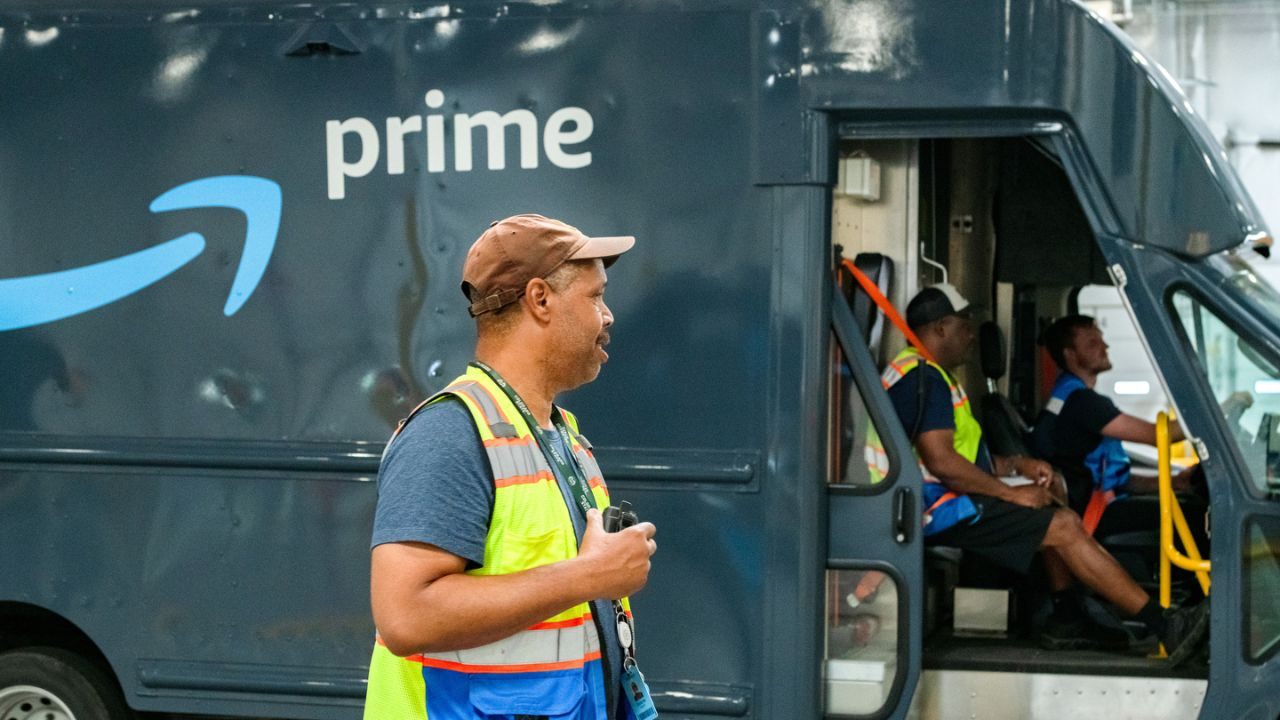
Safety training and technology reduce uncertainty on unfamiliar streets. Advancement paths exist for motivated drivers who enjoy operations.
The sections below outline health protections, development, and work-life considerations.
Health, Time Off, and Protections
Eligible drivers may access health coverage, paid time off, and supportive leave programs. Safety equipment, weather guidance, and incident protocols protect daily operations.
Managers plan shifts in advance so personal scheduling stays manageable. Documented procedures reduce ambiguity when conditions change rapidly. Knowing available resources helps you plan wellness, appointments, and recovery responsibly.
Training and Skill Growth
Initial coaching covers navigation, scanning, loading, and safety decision-making. Continued feedback refines parking judgment, entry handling, and doorstep verification.
You learn route planning, exception documentation, and efficient staging techniques. These skills transfer to other logistics, field service, and operations roles. Demonstrated consistency positions you for mentorship, dispatch support, or leadership tracks.
Work-Life Balance Considerations
Predictable routes and clear communication norms help protect personal time. Peak seasons raise volume, so planning rest and recovery matters. Managers value proactive updates about constraints and availability changes.
Using focus tools and staging habits trims minutes at every stop. Over months, these gains compound into steadier schedules and reduced stress.
How to Apply as an Amazon Delivery Driver
Choosing the right hiring path improves fit, stability, and benefits alignment. Most candidates apply through delivery partners, flexible programs, or internal teams.

Strong applications highlight safety, reliability, and customer service examples. Prepared documents and quick responses keep screenings moving. The sections below explain options, steps, and what to expect during ramp-up.
Choosing Your Path
Delivery Service Partners offer full-time or part-time roles with team support. Flexible programs provide independent scheduling for those seeking variable hours. Internal opportunities may exist in certain markets with structured development.
Compare benefits, shift patterns, and location needs to decide wisely. Your choice should reflect desired stability, growth appetite, and calendar constraints.
Application and Screening Steps
Start by creating a profile, selecting locations, and confirming availability windows. Complete forms accurately, then schedule screenings, road evaluations, or info sessions.
Bring required identification and driving history documents to avoid rescheduling. Respond promptly to messages so your queue position stays favorable.
Clear communication and punctuality demonstrate professionalism before route assignments begin.
Orientation and First Weeks
Orientation covers safety, tech setup, and package handling fundamentals. Ride-alongs demonstrate staging, approach angles, and photograph documentation standards. Supervisors review exceptions and practice scripts for customer interactions.
Expect close feedback on scanning rhythm, parking choices, and route flow. Early consistency builds trust that leads to better blocks and steadier income.
Conclusion
You now understand responsibilities, pay drivers, requirements, benefits, and application steps. Choose the path that matches scheduling needs, then present dependable experience and safety judgment.
Build habits in staging, navigation, and documentation to protect time and quality. With disciplined execution, delivering work can provide a steady income, transferable skills, and practical advancement options.