
Starting a career as an electrician is one of the smartest choices for people who prefer hands-on work. Many individuals explore basic electrician jobs to gain practical skills and long-term employment stability.
These roles are essential in both residential and commercial sectors where constant electrical maintenance is needed. With free courses and certifications available, anyone can begin this career path quickly and affordably.
What Does a Basic Electrician Do?
Understanding what a basic electrician does will help you decide if this path fits your goals. Their daily work focuses on ensuring safe and reliable power systems for homes, businesses, and industries.
Electricians install and maintain electrical wiring, lighting, and equipment according to safety codes. They read blueprints and use tools to troubleshoot power failures.
This job demands accuracy and problem-solving, since even small errors can cause safety issues. Electricians often work in teams, especially during construction or large-scale maintenance projects.

Essential Skills for Electrician Beginners
Before starting, you need to build the right foundation. A few core skills will make your learning and work experience much smoother.
- Basic electrical theory – Understanding voltage, current, resistance, and circuits.
- Tool handling – Confident use of pliers, wire cutters, and voltage testers.
- Problem-solving – Diagnosing and fixing electrical malfunctions effectively.
- Safety awareness – Following procedures that prevent shocks or short circuits.
- Communication skills – Working efficiently with supervisors and other tradespeople.
Each of these skills grows with practice and training. You don’t need to master everything before you start, but developing them early helps you progress faster.
Free Online Electrician Courses
Education doesn’t have to be expensive when you’re just starting out. Free online courses are an ideal way to learn the basics before entering a formal apprenticeship.
Top Platforms Offering Free Training
Many online learning platforms provide high-quality resources for beginners. You can find structured lessons, video tutorials, and even safety modules for free.
- Alison – Offers courses in Electrical Engineering Fundamentals and Workplace Safety.
- SkillCat – Provides simulation-based lessons for real-world practice.
- Coursera – Features free audit courses in electrical safety and wiring basics.
- FutureLearn – Covers energy systems and beginner-level electrical installation.
These resources help you understand how electricity works, preparing you for hands-on experience later.
Certifications That Build Your Credibility
Certifications prove your knowledge and boost your employment chances. They also build trust with clients and employers in the field.
Entry-Level Certifications
You can begin with safety-focused and beginner certifications available online or through local institutions.
- OSHA Safety Certification – Trains you on workplace hazard prevention.
- NEC Code Training – Ensures compliance with national electrical standards.
- Apprenticeship Certificate – Verifies hands-on experience after supervised training.
These certificates demonstrate responsibility and commitment to safe electrical practices.
Advanced Certifications
Once you gain experience, you can take advanced exams that open doors to higher positions and salaries.
- Journeyman License – Allows you to work independently under state regulations.
- Master Electrician License – Qualifies you to supervise projects or start a business.
- Renewable Energy Certification – Expands your skills into solar and sustainable systems.
Each level adds value to your profile and shows consistent career growth.
Career Path to Becoming a Certified Electrician
The electrician’s path follows a simple, step-by-step process. It combines education, practice, and certification to create a solid career foundation.
- Learn the basics through free online courses and study guides.
- Join an apprenticeship program under licensed professionals.
- Gain hands-on experience with wiring, installations, and repairs.
- Pass certification exams that validate your technical and safety knowledge.
- Keep upgrading your skills with code updates and specialized courses.
Each stage moves you closer to becoming a certified and trusted professional.
Benefits of Working as an Electrician
Being an electrician comes with many rewards. It’s one of the few professions that offer both stability and advancement.
You get steady job opportunities in multiple industries. The pay increases steadily as you gain certifications and experience.
You can choose flexible work arrangements — full-time, contract, or self-employed. Above all, this profession gives you the satisfaction of doing practical work that directly helps people and businesses.
Average Salaries by Role and Level
Knowing your potential income helps you plan your training and career choices better. Here are the most common roles and their average annual salaries.
Apprentice Electrician
Apprentices work under supervision to learn the trade. They earn around $30,000 to $40,000 annually, depending on region and company.
Journeyman Electrician
Journeymen handle installations and repairs independently. They earn $50,000 to $65,000 per year and can work across construction or maintenance projects.
Master Electrician
Masters are the highest-certified professionals who manage entire projects. Their salaries range from $70,000 to $95,000, often with opportunities for business ownership.
Specialized Roles
Some electricians focus on specific areas like industrial plants or solar power.
- Industrial Electrician: approximately $80,000 annually.
- Maintenance Electrician: around $60,000 annually.
- Solar Technician: about $75,000 annually.
These roles typically require additional experience or specialized training.
Tools Every Beginner Should Know
The right tools make your work accurate and safe. Understanding them early gives you a strong start in practical training.
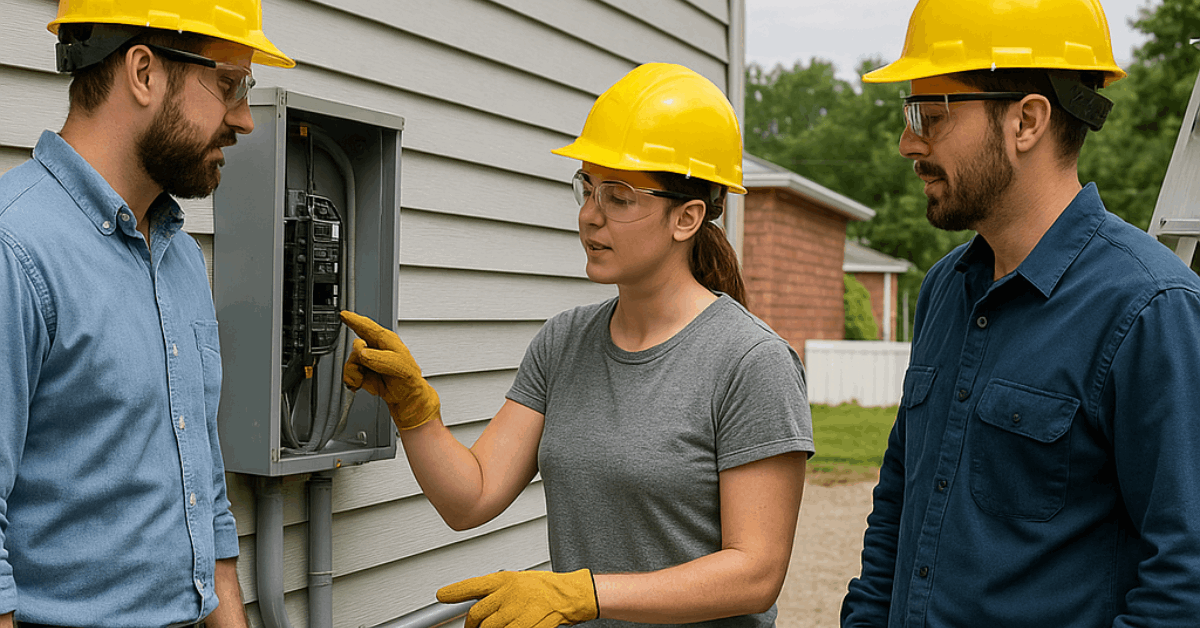
Common tools include wire strippers, pliers, voltage testers, drills, and multimeters. You’ll also learn to use circuit tracers, conduit benders, and screwdrivers for precise installations.
Proper tool maintenance ensures both safety and efficiency on the job. Investing in quality tools later can improve your workflow and accuracy.
Career Growth and Long-Term Opportunities
After mastering the basics, electricians can grow into various roles. The field offers flexible directions that match different interests and goals.
You can advance into supervisory or inspection positions. Some electricians specialize in solar, smart home, or automation systems.
Others move into education or open private contracting businesses. Each path allows financial growth and professional independence.
Safety and Common Work Challenges
Safety is non-negotiable in electrical work. Knowing and following best practices prevents injuries and property damage.
Electricians often face challenges like working in tight areas or handling high voltage. Wearing protective gear and following National Electrical Code (NEC) rules are mandatory.
Regular safety training keeps you updated on new standards. Staying alert and detail-oriented ensures long-term success and safety in this profession.
Bright Future in Electrical Careers
The demand for skilled electricians continues to rise globally. With modern reliance on technology and energy systems, the industry needs trained professionals more than ever. Choosing to start with basic electrician jobs opens up lifelong opportunities.
Free courses and certifications make this career accessible to anyone willing to learn. You can quickly progress from apprentice to expert while earning a solid income. A future in electrical work means stability, skill development, and personal achievement.