
If you want practical training that counts on a resume, a free masterclass of easy recipes, and a certificate can be a smart first step.
This guide explains how to choose credible programs, what benefits to expect, and where to find reputable options. You will learn how certificates translate into real kitchen opportunities.
The focus stays on clear outcomes, efficient learning, and professional credibility. Use it to plan quick wins.

Why a Free Masterclass Helps Your Kitchen Career
A focused masterclass teaches techniques you can apply on your next shift. Structured lessons remove guesswork and reduce waste during prep and service.
Certificates offer portable proof that managers can quickly verify. Clear learning outcomes help you practice efficiently at home. Together, these benefits shorten the path from beginner to reliable line contributor.
Faster Skill Acquisition for Real Shifts
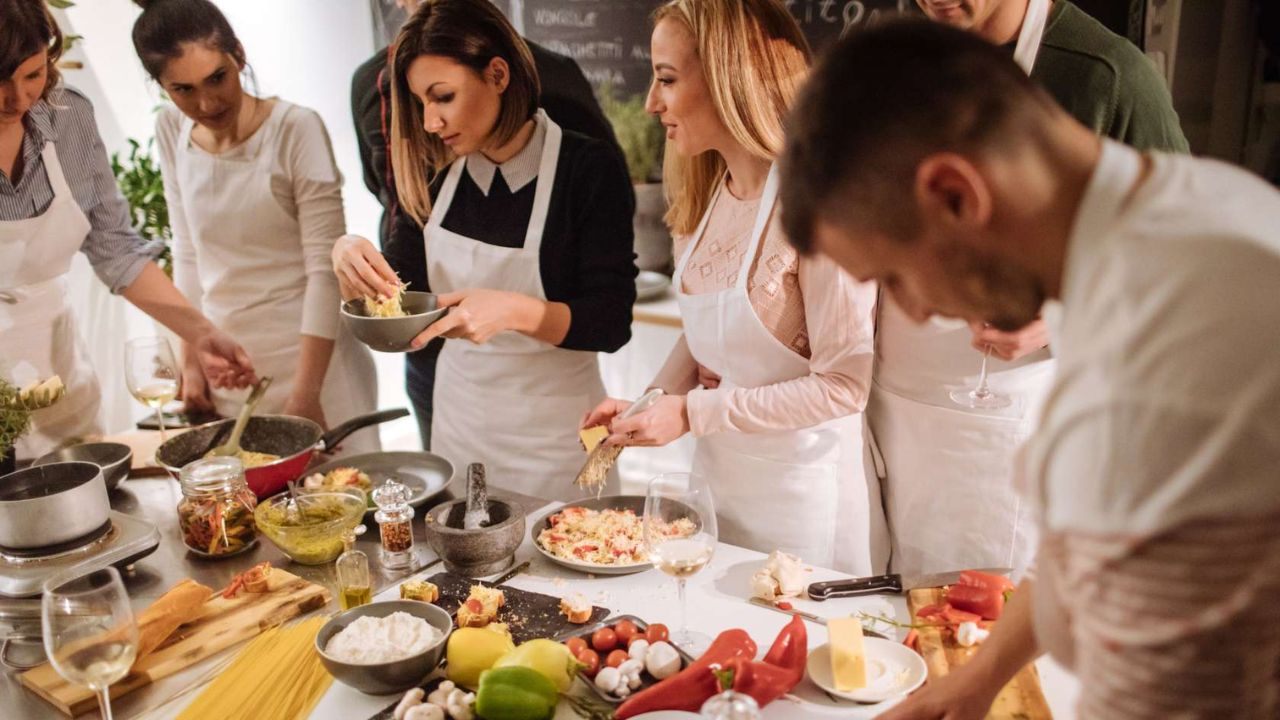
Masterclasses break recipes into repeatable steps that speed practice and feedback. You learn knife safety, mise en place, and timing in controlled sequences. Small assignments help you spot bottlenecks and fix them quickly.
Repetition builds muscle memory that holds under dinner rush pressure. Managers value teammates who execute consistently with minimal supervision and rework.
Portfolio Proof You Can Share
A certificate pairs well with photos of plated dishes and basic process notes. Collecting three or four reliable recipes shows readiness for cold or hot stations. Hiring teams appreciate simple documentation that demonstrates care and accuracy.
A tidy folder with dates and course outcomes looks professional. It signals you will follow checklists and protect food safety standards.
Lower Cost, Lower Risk Entry
Free courses let you test different kitchens without large commitments or debt. You can sample baking, salads, and simple sautés before choosing a track. This reduces expensive pivots after hiring, which managers notice immediately.
If you enjoy the work, add a longer credential later. The approach keeps momentum high while protecting time and budget.
What to Look For in a Masterclass and Certificate
Quality matters more than flashy branding or long ingredient lists. Choose courses that explain techniques, temperatures, and timing with clarity.
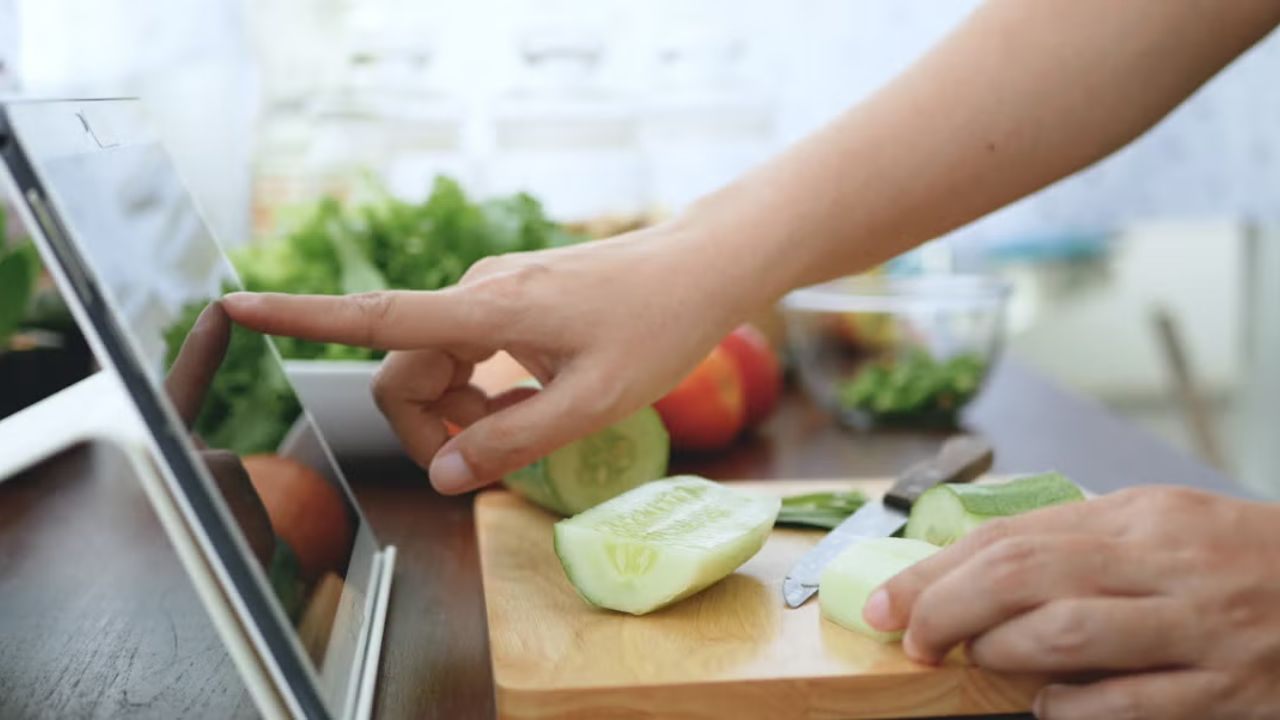
Prefer providers that publish learning objectives and assessment methods. Certificates should list your name, completion date, and verifiable provider details. These checks prevent surprises when managers review your documents.
Technique-First Curriculum With Clear Outcomes
Look for modules on knife grips, uniform cuts, and safe board changes. Good classes explain why steps matter, not only what to do. Timing drills for searing, steaming, and resting should be included.
You want repeatable methods that hold when ticket volume rises. Clear objectives make practice measurable and reduce uncertainty on the line.
Dish Selection That Matches Entry Roles
Early roles favor salads, sandwiches, sides, and simple desserts you can standardize. Seek recipes with few ingredients and consistent cooking windows. Choose techniques that teach heat control without specialized equipment.
Managers care about speed, cleanliness, and portion accuracy in these dishes. Matching class content to station needs increases your hiring odds fast.
Certificate Details: Employers’ Trust
A useful certificate includes the provider name, the course title, and the completion verification. It should display contact details or a code that managers can check. Including total learning hours adds context for training depth.
Keep a copy in cloud storage and print a clean version for interviews. The easier you make verification, the smoother the hiring conversation becomes.
Where to Find Masterclasses With Certificates
Several education platforms publish cooking basics with structured modules. Some provide free access with optional paid extras, while others host sponsored sessions.

Focus on sites that outline safety, techniques, and assessments clearly. Always confirm whether the certificate is included or offered as a digital badge. The options below are common starting points for beginners.
Alison
Alison hosts introductory culinary courses that emphasize fundamentals and food safety. Many classes are free to study, with assessment-based certificates available. The platform publishes learning outcomes and estimated hours for planning.
Completion records help you track progress as you build your portfolio. Pair a certificate with photos of two or three consistent dishes for interviews.
FutureLearn
FutureLearn partners with universities and training providers for short courses. Cooking and nutrition classes often include structured weekly goals. You can learn techniques in manageable sessions that fit work schedules.
Certificates may be available depending on the specific course run. Use course discussions to ask technique questions and gather plating ideas.
Coursera
Coursera offers culinary-adjacent basics like nutrition, kitchen science, and hygiene. Audit routes provide free learning, with certificates available on selected tracks. Programs explain the why behind texture, doneness, and safe temperature ranges.
This knowledge improves consistency even on simple recipes. Add one applied project per module to demonstrate comprehension practically.
Udemy Free Offers
Udemy periodically lists short free classes from independent instructors. Look for courses with strong reviews and clear recipe roadmaps. Many include completion certificates for your records.
Verify that the content covers techniques rather than only ingredient lists. Combine two short classes to create a mini curriculum with measurable outcomes.
YouTube Learning Playlists
Some culinary schools and chefs publish complete beginner playlists. While certificates vary, several channels provide practice checklists and quizzes. Focus on series that teach knife safety, sanitation, and timing drills.
Save playlists, add timestamps, and document your practice sets. Screenshots and notes can supplement a provider-issued badge during applications.
Core Skills Every Beginner Should Master
Technique fluency matters more than complex recipes in an entry kitchen. Prioritize cuts, heat, and seasoning before chasing advanced preparations.

Small daily drills keep improvement steady without overwhelming time. The next sections show which basics convert fastest to station performance. Use them to structure a four-week plan with predictable gains.
Knife Safety and Speed Fundamentals
Practice stable stance, pinch grip, and controlled draw cuts before speed. Learn to baton, julienne, and dice with size consistency for even cooking. Switch boards and sanitize when proteins are produced and produce alternates.
Keep blades sharp to reduce pressure, slips, and waste. Five focused minutes daily beats occasional long sessions for retention.
Heat Management and Pan Control
Preheat properly, then add oil and ingredients with spacing to prevent steaming. Listen for changes that signal browning or moisture loss.
Adjust the flame incrementally instead of constant toggling. Rest proteins briefly to retain juices and finish carryover cooking. These habits protect texture and flavor while cutting re-fires and remakes.
Seasoning, Acidity, and Finish
Taste early and late to calibrate salt and acid without overshooting. Balance richness with citrus or vinegar, then confirm after resting. Keep garnish simple and functional rather than decorative clutter.
Wipe rims and align portions for clean, consistent plates. Consistency earns trust faster than occasional perfect photogenic results.
Use Your Certificate to Get Hired Faster
Managers want teammates who are safe, fast, and consistent. Your portfolio should show those traits at a glance.
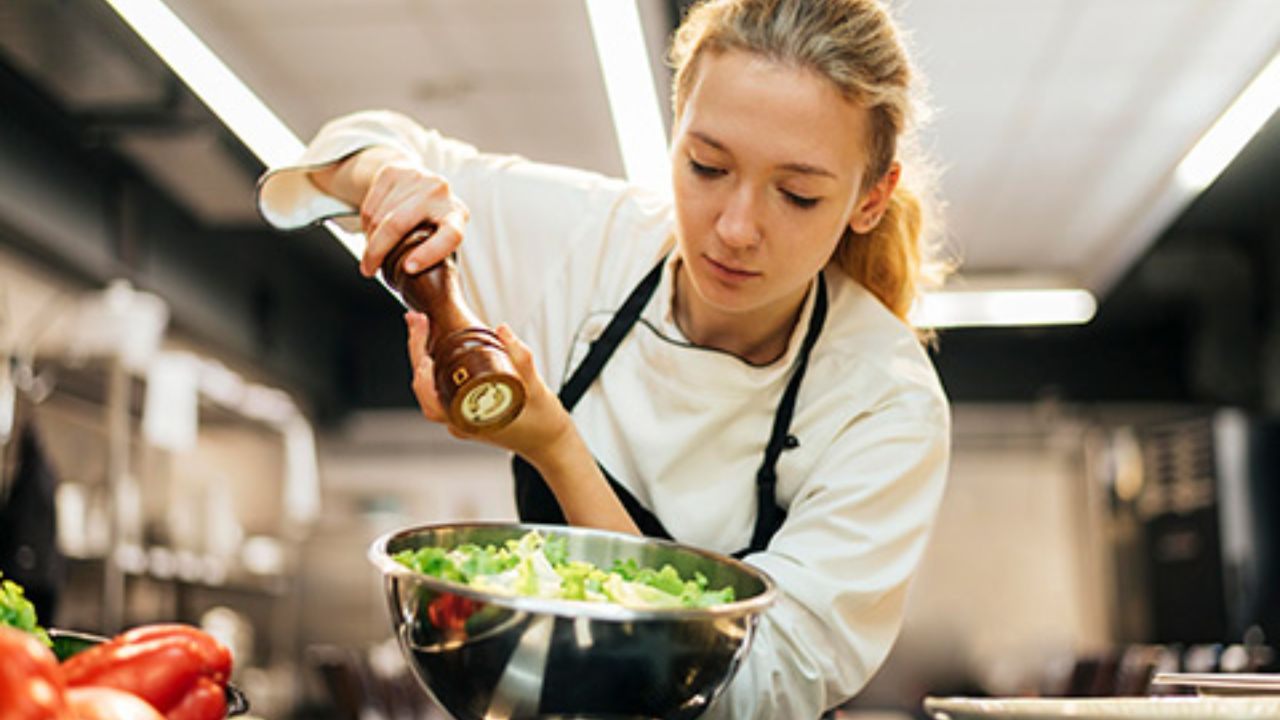
Tie each recipe to a station outcome, such as sides, salads, or hot line. Keep communication simple, accurate, and respectful. The following tactics help your documents convert to interviews.
Portfolio and Resume Alignment
Match resume bullet points to the techniques demonstrated in your photos. List the course title, provider, and completion month clearly.
Add two quantified outcomes, such as reduced prep time or improved yield. Keep language concise and free of jargon. Managers will skim first, then ask for details if interested.
Interview Talking Points That Land
Explain one mistake you solved and the process that fixed it. Describe a timing adjustment that improved consistency under mild pressure. Share how you labeled, stored, and rotated components safely.
Offer to demonstrate a quick knife drill if appropriate. These points prove coachability and respect for kitchen systems.
Trial Shift Preparation
Bring a sharp knife, a non-slip mat, and a tidy notebook. Ask for station priorities and clarify portions before starting. Work clean, communicate transitions, and taste only with sanitized spoons.
Thank the team and summarize what you learned afterward. A composed trial often outweighs limited experience in final decisions.
Conclusion
A well-chosen masterclass accelerates fundamentals while a certificate provides quick proof. Focus on technique-first lessons, clear outcomes, and verifiable documentation. Practice in small daily blocks and record progress with simple photos.
Align your portfolio with station needs, then communicate calmly during trials. With steady habits and a credible certificate, you can earn trust faster and step into reliable kitchen roles confidently.