
The Walmart Spark Platform sits inside Walmart’s delivery network, pairing customers’ online orders with independent-contractor drivers. Availability and official enrollment rules are U.S.-based, even if the topic gets searched worldwide.
Anyone outside the U.S. can still use the same checklist to compare local gig apps, but Spark enrollment itself centers on U.S. identity, licensing, and tax paperwork.
Daily work tends to feel simple on the surface: accept an offer, collect items, deliver safely, repeat. The details that decide approval and long-term success live in eligibility checks, documentation quality, and the service standards inside the app.
What Spark Drivers Typically Do Day To Day
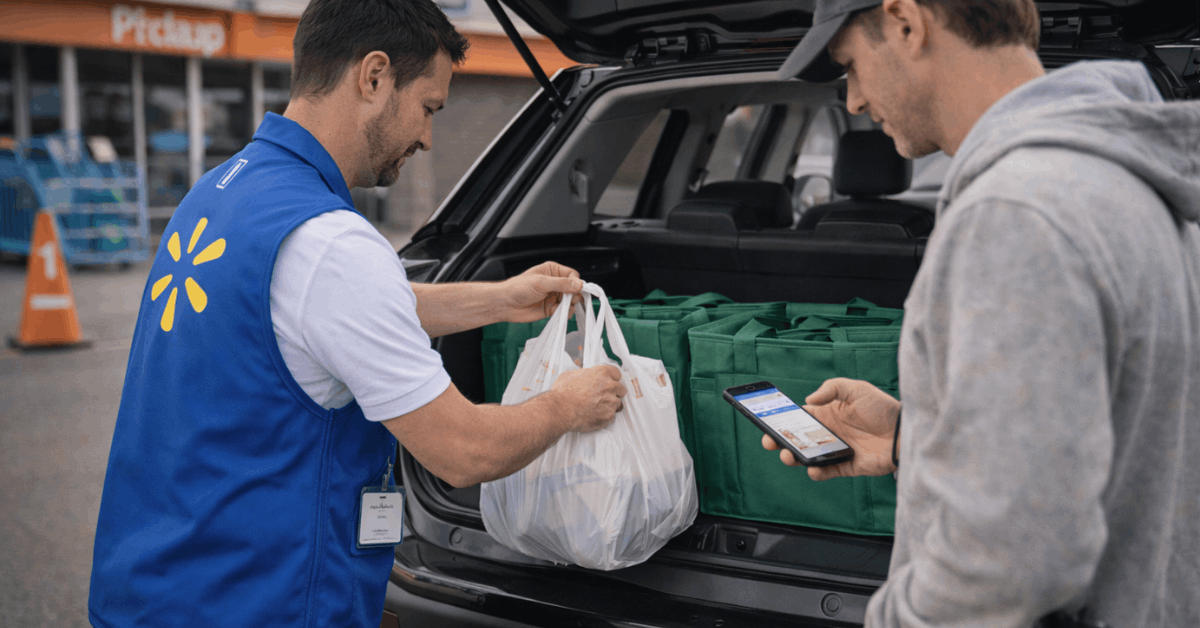
Orders usually fall into two common flows: pickup-and-deliver and shop-and-deliver, depending on the store and zone. Offers show up in the Spark Driver app, then acceptance stays optional, since the driver controls the schedule and workload.
Pickup-and-deliver work often starts at a Walmart pickup point. Store associates bring out bagged orders, and the driver confirms the right order before loading. Shop-and-deliver work adds an extra step, since shopping happens inside the store, with the app guiding item selection and substitutions.
Customer delivery tends to include basic service expectations:
- Follow drop-off instructions, including contactless delivery when required.
- Keep cold and fragile items protected during transport.
- Communicate clearly if an address issue or an access problem blocks delivery.
Physical handling matters more than most people expect. Cases of water, pet food, and bulk grocery orders show up regularly, so the ability to lift heavier bags stays part of the baseline role.
Eligibility Rules That Decide Approval
Eligibility for the Spark Driver program is specific and procedural, and approval is never guaranteed. Applicants need to meet age, identity, and work-authorization requirements, then pass screening.
Key eligibility items generally include:
- Minimum age of 18.
- Authorization to work as a U.S. independent contractor, supported by an SSN.
- A valid U.S. driver’s license in the applicant’s name, sometimes described as REAL ID-compliant or standard state-issued identification accepted by the platform.
- A U.S. phone number with the +1 country code.
- A smartphone that supports camera and GPS features required for identity verification and delivery workflows.
A common point of confusion: no minimum driving experience requirement is typically stated, but driving history still matters once screening begins. Another common blocker is availability. Some regions run full and place applicants on a waitlist until capacity opens.
Documents and Identity Checks During Sign-Up
Sign-up normally asks for consistent, matching information across every screen and document. Typos, mismatched addresses, and unclear insurance images slow down review and can trigger manual screening.
Required items commonly include the following:
- A valid driver’s license.
- A real-time selfie for identity verification and profile photo creation.
- A current insurance document that shows policy details clearly.
Photo rules also get enforced. Identity selfies usually need good lighting, an uncovered face, and a neutral expression. Sunglasses, hats, face coverings, and inappropriate gestures can lead to rejection and may create account risk later.
Enrollment also includes document signing. Expect background check disclosures, motor vehicle record consent, and platform agreements, completed with an e-signature inside the app flow.
Vehicle and Insurance Requirements That Matter In Practice
Vehicle rules focus on safety, cleanliness, and capacity. Bikes, scooters, and motorcycles don’t fit typical grocery volume and protection needs, so those options aren’t treated as valid delivery vehicles for Spark.
Most regions accept eligible vehicle types such as:
- cars,
- station wagons,
- SUVs,
- vans, and
- trucks.
Make, model, and year limits often aren’t emphasized, yet reliability still matters because failed deliveries and late arrivals create performance issues quickly.
Borrowed, leased, and rented vehicles can work when documentation stays clean. Insurance remains the hard line: auto insurance in your name needs to appear on the uploaded proof, alongside vehicle information and the policy expiration date.
Insurance Coverage
Insurance coverage typically starts at state minimum requirements for personal auto policies, often centered on liability coverage. Gaps can happen if a personal policy excludes delivery or commercial activity.
A call to the insurer to confirm coverage rules prevents nasty surprises after an incident, especially since Spark does not position itself as providing broad, automatic supplemental coverage to every driver scenario.
Background Check and Waitlist Timing
A Spark application usually triggers a screening process that reviews motor vehicle records and criminal history. Third-party screening support is commonly handled by Checkr, using SSN and driver’s license details to run the checks.
Timing varies, and the fastest approvals often go to applicants who upload crisp documents and have clean, easily verified identity data.
Many background checks finish within several business days, though delays happen when records require manual review or jurisdiction responses.
Some outcomes that commonly lead to rejection include a suspended license, major driving violations, or certain criminal convictions. Minor tickets may not automatically disqualify someone, yet patterns of unsafe driving can still create problems.
Waitlisting deserves attention as its own step. Some zones place every applicant into a holding status until driver demand increases. Status updates typically show inside the account, and checking back periodically is normal behavior during slow intake periods.
Step-By-Step Enrollment Flow Inside The App
The enrollment flow tends to follow a repeatable sequence, even when a zone is full. Zone selection usually locks until approval and completion of initial deliveries, so picking the most practical area matters.
Steps commonly look like this:
- Create an account and verify your email and phone number.
- Select delivery zones using ZIP code availability.
- Enter personal information, including SSN and date of birth, then sign the required agreements.
- Upload license and insurance proof, then complete identity checks and selfie steps.
- Wait for screening outcomes and any queue or waitlist status changes.
- Link an earnings option, then complete tax preferences and consent.
Earnings setup often includes options such as OnePay Cash or a linked bank account, depending on the region’s tools at the time of enrollment. Tax paperwork also shows up early. The W-9 form step is part of operating as an independent contractor, and tax e-consent settings affect how year-end forms get delivered.
Duties After Approval: Running Offers and Managing Costs
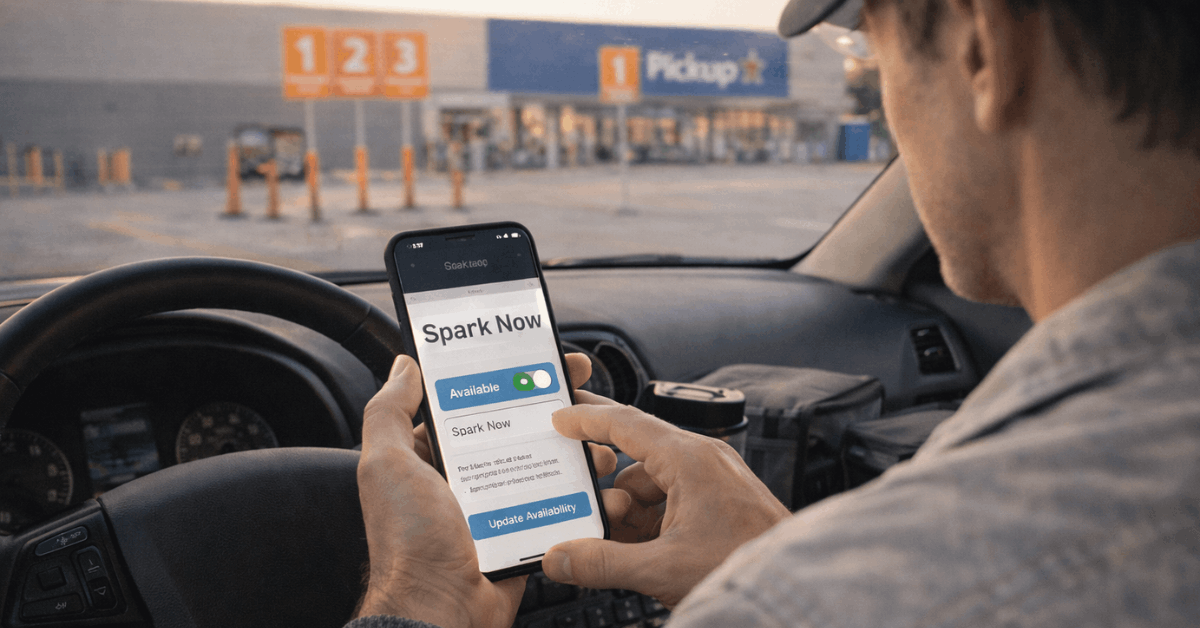
Approval unlocks “go time” inside the app. Spark Now acts as the availability toggle that determines whether offers arrive in the selected zone.
Acceptance remains optional, and working hours stay flexible, but reliability and safe delivery habits influence long-term account stability. Cost control matters because independent contractors carry their own operating expenses.
Mileage, fuel, maintenance, and insurance add up quickly, so tracking becomes a real business practice rather than a nice-to-have. IRS mileage rules change over time, and the U.S. standard mileage rate for business driving was set at 72.5 cents per mile for 2026, so accurate records can matter at tax time.
Mileage Tracker App
A mileage tracker app helps document work miles more consistently than manual notes, especially during multi-stop delivery days. Receipts and policy invoices also matter, since some expenses can qualify as deductible business costs depending on local rules and personal tax circumstances.
Last Thoughts
Spark can look like a simple delivery loop, yet the real gatekeepers are eligibility, clean documentation, and consistent service habits once approved.
Strong applications usually come from matching details across every screen, uploading clear license and insurance proof, and treating identity checks like compliance steps, not selfies.
Long-term results depend less on “getting offers” and more on managing costs like fuel, maintenance, and insurance while keeping mileage records tight for tax season. Handle it like a small business from day one, and the platform stays far more predictable.