
Amazon Flex Logistics runs on a simple promise: flexible delivery work, shown as time-based blocks inside the app. Most people notice the driving part first, yet the scheduling design matters more than it looks.
Block offers shape how reliably drivers show up, how fairly work gets distributed, and how predictable pay feels once a route ends. Amazon markets typical earnings ranges by market, while flagging that actual earnings depend on location, tips (when eligible), and how long deliveries take.
A lot of gig apps match supply and demand in real time, then deal with the fallout when people chase loopholes. Flex took a different direction over time: shifting attention away from “hourly chasing” and toward blocks as the atomic unit of work.

What Amazon Flex Is and Why The Block Model Exists
Amazon Flex is a crowd-sourced driving program where independent contractors deliver packages using personal vehicles.
Drivers open the Amazon Flex app, pick available work, complete deliveries, then get paid based on the accepted work type and local rules. Amazon describes the experience in three steps: reserve a block, make deliveries, then get paid.
Why “Blocks” Became The Default Unit Of Work
A block-based model helps solve two problems at once: reliability and clarity.
- Reliability improves when work comes with a defined start time, expected duration, and station context.
- Clarity improves when the offer includes an earnings estimate up front, instead of leaving pay to feel like a black box after the route.
Amazon’s own materials frame blocks as “hourly blocks” that show duration and expected earnings before the block begins.
Older gig patterns often reward refresh-and-grab behavior, where a small group learns timing tricks and captures the most desirable work. The block model, paired with offer types and performance signals, aims to spread work more evenly while keeping staffing predictable at peak demand.
How The Block Scheduling System Works In Practice
The block scheduling system inside Flex is a matching engine wrapped in a simple interface.
Offers appear with a start time, length, pickup location or station, and a pay figure or range tied to the offer type. Acceptance turns that offer into a scheduled commitment, tracked in the app’s calendar experience.
Offer Phases: Offer To Settlement
A useful way to think about a block is as a small lifecycle:
- An unaccepted offer appears, often among multiple options.
- Acceptance locks the commitment and reserves capacity.
- Completion triggers settlement rules, which can vary when tips apply.
- Deposit timing depends on the market and the selected payment option.
Tips create a timing wrinkle in some regions and delivery types. Amazon has described tip adjustments as having a post-delivery window, which delays final payment for tip-eligible blocks. That design choice isn’t about “missing pay,” it’s about finalizing the correct amount once tip edits close.
Pricing, Surges, and Why Earnings Feel Confusing
Pay confusion usually comes from mixing three different concepts: the headline earnings range, the block’s posted pay, and the driver’s real take-home after expenses. Amazon promotes typical earnings ranges, yet keeps the disclaimer clear: location, tips (when eligible), and completion time change the outcome.
What An Earnings Estimate Actually Communicates
An earnings estimate is a pre-work expectation, not a guaranteed “hourly wage.” The estimate helps compare blocks and decide what fits the day. Real-world variance enters through traffic, parking, route density, station delays, and the simple fact that some blocks finish early while others drag closer to the posted duration.
A second layer comes from program differences. Some deliveries are tip-supported, others are fixed-price. That funding split can make the same duration feel different across delivery categories, especially when tips change after completion.
Surge Pricing and The “Right Time” Problem
Surge pricing shows up when demand for drivers rises, or when coverage needs to be filled quickly. Blocks may increase in pay as the start time approaches, but timing and patterns vary by station and city.
Amazon’s offer guidance describes how offers can change based on demand, which matches the “dynamic” behavior drivers see in busy periods.
Chasing surges can also backfire. Missing a decent block while waiting for a perfect one creates empty time, and empty time rarely feels free. A healthier target is consistency: pick blocks that fit availability and costs, then learn local patterns gradually instead of gambling daily.
Performance Signals That Affect Access To Blocks
Flex isn’t only “first come, first served.” Program design also uses reliability signals to protect customers and stations from last-minute gaps. Amazon publishes guidance on standings and emphasizes behaviors like showing up, completing deliveries, and managing cancellations responsibly.
Driver Standing and Reliability Expectations
Driver standing reflects recent performance and can influence trust and access. Amazon has described standing categories such as Fantastic, Great, Fair, and At Risk, while tying outcomes to reliability and delivery completion behaviors.
Cancellation rules matter because late forfeits create staffing holes. Amazon’s guidance states that canceling at least 45 minutes before a block starts avoids standing impact in the standard case, with a small exception window for blocks accepted very close to the start time.
Preferred Scheduling and Rewards Incentives
Preferred Scheduling shows up through Amazon Flex Rewards in some markets. Amazon describes it as a feature unlocked at higher reward levels that lets a driver set preferences such as station and day of the week, aiming to offer more blocks aligned with those preferences.
This is the “fairness and forecasting” lever. Stronger performers can get earlier looks at certain opportunities, while the system still retains flexibility to surge and broadcast work when demand spikes.
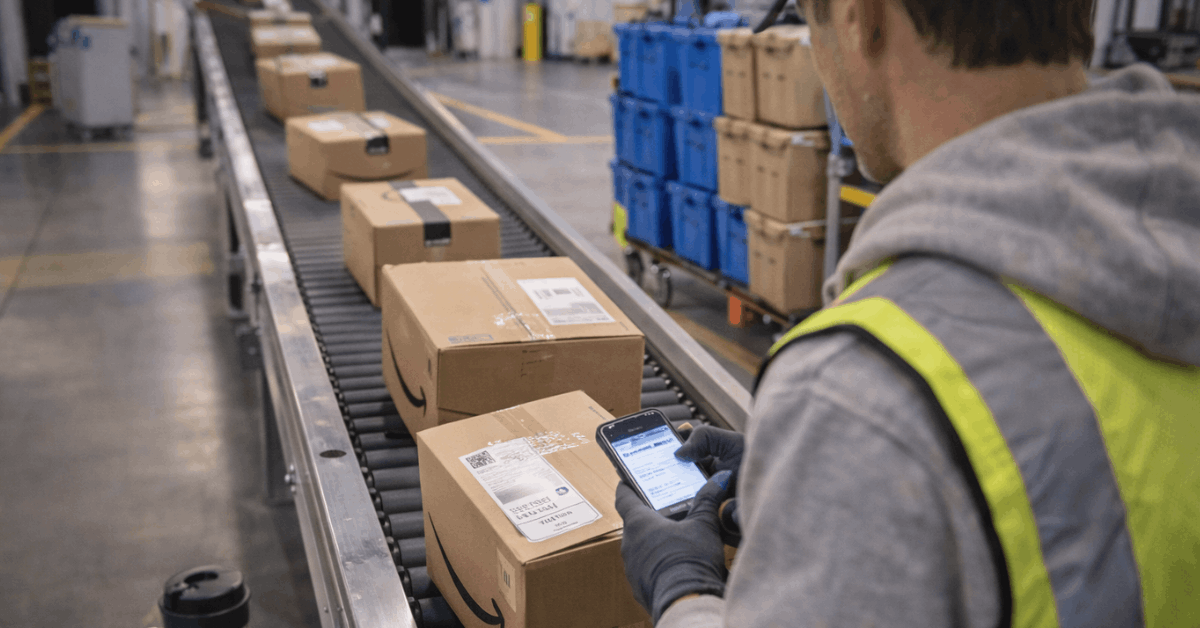
Practical Habits For Working The System Without Gaming It
List-based advice can get cheesy fast, so this stays grounded in how the app is designed to work.
- Treat each delivery block like an appointment, not a suggestion. Reliability keeps access stable and standings healthy.
- Use reserve a block planning when the week needs structure, then add same-day blocks when flexibility exists. The mix reduces refresh fatigue.
- Track personal costs per hour and per mile, then compare against posted pay. A strong-looking block can turn weak after fuel, tolls, and wear.
- Stop chasing surge pricing as the only strategy. Some markets surge often, others rarely, and consistency usually wins over daily roulette.
- Check the earnings estimate details, especially when tips apply. Settlement timing can differ from fixed-price blocks.
Getting Paid: Timing, Options, and What To Expect
Payment timing depends on the country’s rules and payment features enabled. Amazon has published market-specific details, including weekly deposit timing in Australia and a typical earnings range framing elsewhere.
A newer layer is flexibility around when and how pay lands, including features that let drivers choose options and, in some cases, receive funds soon after block completion for eligible blocks.
Amazon has described Instant Pay as paying blocks without tips to an Amazon Flex Debit Card shortly after completion, including weekends and holidays.
Tip-eligible blocks can still follow a delay window because final tips may update after delivery. Amazon has stated a tip update window of up to 24 hours for eligible deliveries, which pushes final payment later than a non-tip block.
Last Thoughts
Amazon Flex blocks look simple, yet they’re the real control panel for reliability, fairness, and pay expectations. Treating each block like a scheduled commitment, rather than a slot to gamble on, keeps standing stable and access consistent as the app learns what kind of driver it can trust.
Earnings feel clearer once the posted block pay gets separated from real take-home after costs, and once tip timing rules are factored in for eligible deliveries.
Most drivers end up doing best with a repeatable approach: pick blocks that fit availability and expenses, learn local surge patterns slowly, and let consistency beat refresh-and-chase habits over time.